
Resources
Disqualification periods for drink-driving: first vs repeat vs special reasons
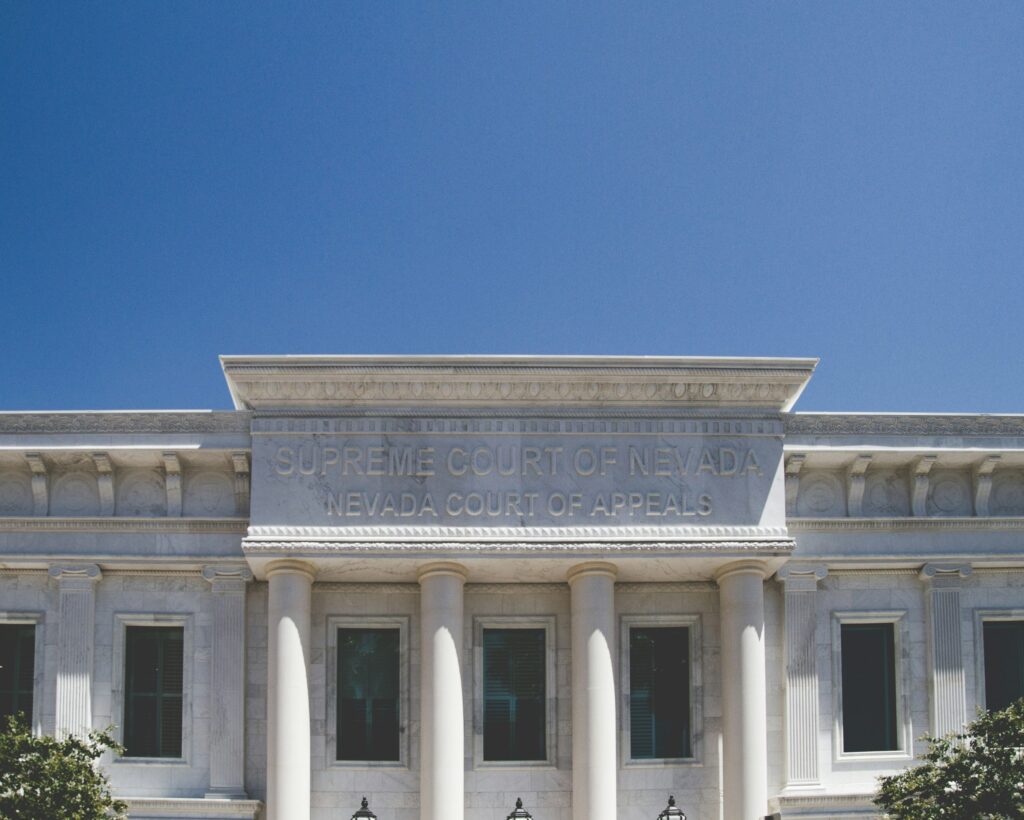
Updated 5 September 2026. This page is general information about driving disqualification themes under Singapore’s Road Traffic Act drink/drug driving provisions for education and search. It is not legal advice, does not create a solicitor–client relationship or retainer, and is not a statement by any former operator of this domain. Laws and sentencing practice change — speak with a qualified criminal lawyer about your situation.
Disqualification is a central statutory consequence
A section 67 conviction is not only about fine or imprisonment. The Act also structures driving disqualification (DQ) with statutory minima unless the court finds special reasons for a shorter period (or, in the life-DQ scenario, special reasons for a period shorter than life).
Authoritative text: SSO Road Traffic Act s 67. General orientation on sentence types, including driving disqualification, appears on the Judiciary’s public materials (for example, judiciary.gov.sg pages discussing types of sentences).
This page does not publish unofficial alcohol-band “tariff tables” as if they were the law, and it does not guarantee that any mitigation story will shorten DQ.
First offender — not less than 2 years (unless special reasons)
Under section 67(2), a person convicted of an offence under section 67(1) is, unless the court for special reasons thinks fit to order otherwise, disqualified from holding or obtaining a driving licence for a period of not less than 2 years in the case of a first offender. The period runs from the date of conviction or, where the person is sentenced to imprisonment, from the date of release from prison — check the exact statutory wording on SSO for your scenario.
“First offender” here is a statutory concept tied to the section’s repeat-offender definition, not merely a person’s self-description that they have never been to court for anything else.
Repeat offender — not less than 5 years (unless special reasons)
For a repeat offender, section 67(2) points to disqualification for a period of not less than 5 years, again unless special reasons justify a different order within the section’s framework.
Section 67(4) defines who is a repeat offender for these purposes by reference to an earlier occasion of section 67(1) or section 68 (including certain pre-1 November 2019 equivalents). Always match the charge and antecedents to the current SSO definition rather than to informal labels.
Two or more earlier relevant convictions — life DQ unless special reasons
Section 67(2A) addresses the situation where the person has been convicted on two or more earlier occasions of relevant offences described in the subsection. The default statutory posture is disqualification for life, unless the court for special reasons thinks fit to order a shorter period of disqualification.
This is one of the most severe licence consequences in the drink/drug driving structure. Educational content should not soften it into “usually reduced.” Whether special reasons exist is for the court on proper material.
When the DQ clock starts
As reflected in section 67(2), disqualification is commonly described as running from conviction or, if imprisonment is imposed, from release from prison. Practical questions — how release is documented, how traffic police and licensing systems update, what happens to provisional or foreign licences — are administrative and case-specific. This page only flags the statutory start-date theme so readers ask precise questions of counsel and the authorities.
Special reasons — exceptional and generally offence-related
“Special reasons” is a term of art. Public High Court discussion in drink-driving disqualification cases has repeatedly emphasised that special reasons are exceptional and are generally tied to circumstances of the offence, not merely to personal hardship such as needing a car for work or family logistics. Classic frameworks discussed in publicly known authorities include cases often shorthand-referenced as Edwin s/o Suse Nathen and Sivakumar, with later grounds of decision refining application — detailed holdings that appear only on LawNet are marked unverified for this relaunch drafting set unless independently checked by counsel.
What this means for readers:
- Do not assume that a clean record alone is a “special reason.”
- Do not assume that employment or caregiving needs automatically shorten a mandatory minimum DQ.
- Do not treat online anecdotes of “reduced DQ” as a rule.
- High alcohol readings and aggravating driving facts typically cut against lenient DQ narratives — without turning this page into a tariff chart.
How DQ sits next to fine and jail
Section 67 also sets fine and imprisonment liability bands for first and subsequent convictions (with careful “and/or” wording that should be read on SSO, especially for repeats). Disqualification is an additional, structured consequence. Plea, mitigation, and sentence are integrated exercises; this page isolates DQ only for clarity.
Related educational pages: Drink driving overview, 2026 limits commencement checklist, Specimen refusal risks.
FAQ
What is the minimum DQ for a first section 67 conviction?
Unless special reasons apply, section 67(2) points to not less than 2 years. Confirm current SSO text.
What if I have a prior drink-driving or related conviction?
Repeat-offender status can engage a not-less-than-5-years DQ under section 67(2), and two or more earlier relevant convictions can engage life DQ under section 67(2A), unless special reasons justify a shorter order in line with the statute. Match antecedents to section 67(4) carefully.
Can I keep driving for work if I show hardship?
This page does not promise that personal hardship amounts to special reasons. Case law themes emphasise exceptional, typically offence-related reasons. Get advice; do not rely on this FAQ as a mitigation script.
When does the ban start if I go to jail?
The statute links start to conviction or release from prison where imprisonment is ordered — read section 67(2) on SSO for the precise formulation.
Where can I read about sentence types generally?
See judiciary.gov.sg materials on types of sentences (including driving disqualification) for high-level process education.
Sources and verification notes
Primary: SSO RTA s 67 (including subsections (2), (2A), and (4)). Judiciary: judiciary.gov.sg types-of-sentences / traffic and regulatory offence process pages for general orientation. Special-reasons case frameworks: publicly discussed High Court authorities; LawNet-only nuance = unverified. No unofficial fine/jail/DQ tariff tables are presented here as binding law.