
Resources
Public Prosecutor v Lin Pengli Barrie (animal cruelty)
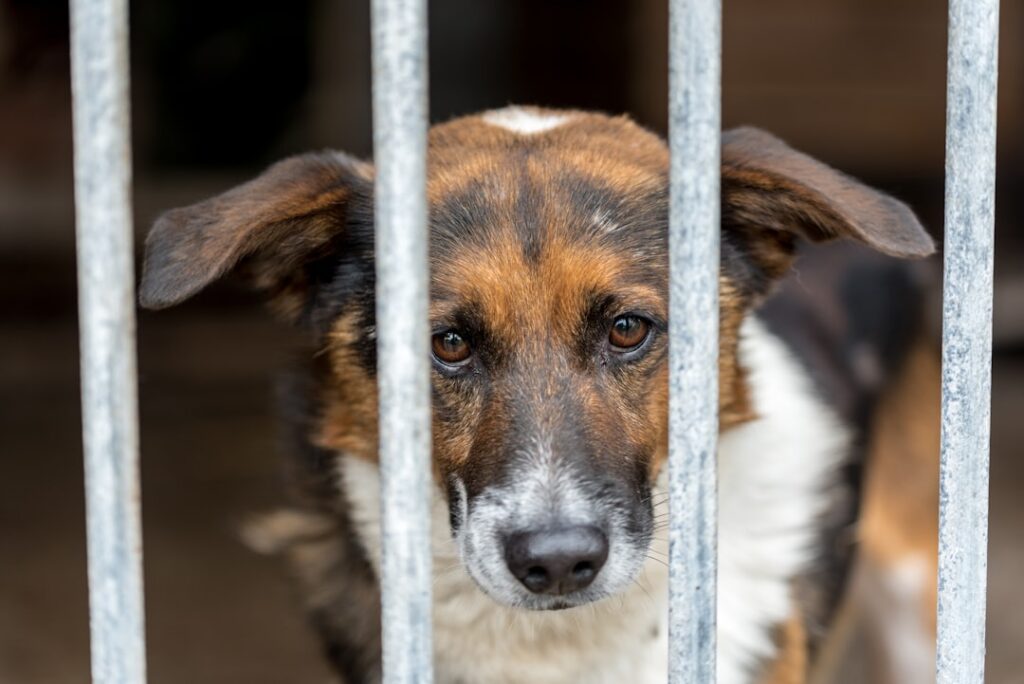
Educational summary of a named public judgment, drawn from the court’s published grounds. Stated neutrally and non-graphically. Not legal advice.
Public Prosecutor v Lin Pengli Barrie [2025] SGHC 133 is a recent High Court decision on sentencing for animal cruelty under the Animals and Birds Act. It sets out how the courts approach the most serious such cases, with deterrence to the fore. This summary is deliberately non-graphic.
Key points at a glance
- Cruelty causing unnecessary suffering to an animal is an offence under the Animals and Birds Act.
- Deterrence — both general and specific — is the dominant sentencing consideration.
- Deliberate violence causing death or grievous injury is treated as among the gravest conduct under the Act.
Why this case matters
Animal-welfare offences attract significant public concern, and Parliament has strengthened the law in this area. Lin Pengli Barrie is a leading recent statement of how the courts sentence serious, deliberate cruelty, and of the limited weight that personal mitigation carries in such cases.
The charges and facts (public judgment)
Over a period, the offender deliberately targeted community cats, causing the death of two and grievous injury to another. He faced several charges under the Animals and Birds Act, with further charges taken into consideration, and pleaded guilty.
The sentencing approach
The Court held that specific and general deterrence were the dominant considerations, citing Parliament’s intent to strengthen animal-welfare protection, the prevalence of such cases, the vulnerability of animal victims, and the difficulty of detection. Deliberate violence causing death or grievous injury was treated as among the gravest conduct under the Act. The offender’s mental condition was given only limited mitigating weight — the Court observing that a mental condition cannot be a licence to harm others — and a modest discount was given for the guilty plea.
The outcome
The District Court had imposed an aggregate of 14 months’ imprisonment with a disqualification from owning animals. On the Prosecution’s appeal, the High Court found the sentence manifestly inadequate and increased the aggregate to 27 months’ imprisonment, leaving the disqualification order in place.
How the law has been strengthened
Parliament has progressively strengthened animal-welfare law in Singapore, raising penalties and signalling that cruelty will be met with firm consequences. The courts have taken up that signal, and this decision reflects it: general and specific deterrence are treated as the leading considerations, given how vulnerable animals are, how prevalent such offending is, and how difficult it can be to detect. Deliberate, sustained cruelty causing death or grievous injury sits at the most serious end and attracts substantial custodial sentences.
Disqualification and mental-health mitigation
Beyond imprisonment, the courts can disqualify an offender from owning or keeping animals, a protective measure aimed at preventing further harm. The decision is also notable for its treatment of mental-health mitigation: while a genuine condition can carry some weight, the Court was clear that it cannot be a licence to harm, and it will be weighed against the seriousness of the conduct and the need for deterrence. That approach mirrors how the courts treat mental-health mitigation in other offences involving vulnerable victims.
How animal-cruelty cases are investigated and prosecuted
Animal-cruelty matters are typically investigated by the authorities responsible for animal welfare, often with animal-protection organisations involved in reporting and investigation. Evidence can include veterinary findings, witness accounts, and footage. The offences cover a range of conduct — from neglect causing suffering to deliberate acts of violence — with the most serious, intentional cruelty at the top end. Because animals cannot report what happened to them, such cases can depend heavily on physical and circumstantial evidence.
What the courts emphasise
The consistent theme is deterrence, reflecting Parliament’s strengthening of animal-welfare law and public concern about such offences. Deliberate cruelty causing death or serious injury attracts custodial sentences, and personal mitigation such as a mental condition carries only limited weight where it does not substantially reduce culpability. Courts can also disqualify an offender from keeping animals, a forward-looking measure aimed at preventing further harm. For anyone facing such a charge, these features make early, careful legal advice important.
The direction of the law
The trajectory of animal-welfare law in Singapore has been toward stronger protection and firmer penalties, reflecting changing community attitudes. Decisions such as this one give effect to that direction by treating deliberate, serious cruelty as among the gravest conduct under the governing statute and by using disqualification orders to prevent future harm. The limited weight given to personal mitigation in serious cases signals that the courts will prioritise the protection of vulnerable animals and the deterrence of others who might offend.
How animal-cruelty cases are investigated and approached
Animal-cruelty matters are typically investigated by the authorities responsible for animal welfare, often with animal-protection organisations involved in reporting and investigation, and evidence can include veterinary findings, witness accounts and footage. The offences cover a range of conduct — from neglect causing suffering to deliberate acts of violence — with intentional cruelty at the most serious end. Because animals cannot report what happened to them, such cases often depend heavily on physical and circumstantial evidence. The consistent theme in sentencing is deterrence, reflecting Parliament’s strengthening of animal-welfare law and public concern; deliberate cruelty causing death or serious injury attracts custodial sentences, and personal mitigation such as a mental condition carries only limited weight where it does not substantially reduce culpability. The courts can also disqualify an offender from owning or keeping animals, a forward-looking measure aimed at preventing further harm.
Frequently asked questions
How serious are animal-cruelty offences? Deliberate cruelty causing death or serious injury is treated as among the gravest conduct under the Animals and Birds Act, and attracts custodial sentences.
Does a mental condition reduce the sentence? It may carry limited weight, but the Court held it cannot be a licence to harm.
Can an offender be barred from keeping animals? Yes — the court can order a disqualification from owning or keeping animals.
Who investigates and prosecutes animal cruelty? Animal-welfare offences are handled by the authorities responsible for animal welfare, with animal-protection bodies often involved in investigation.
What penalties can animal cruelty attract? Serious cruelty can attract imprisonment, fines, and a disqualification from owning or keeping animals; the exact maximums depend on the statute and the offender’s history.
Does neglect count as cruelty? Failing to provide adequate care that causes unnecessary suffering can be an offence, not only deliberate acts of violence.
Can members of the public report suspected cruelty? Yes — suspected animal cruelty can be reported to the authorities or an animal-welfare organisation for investigation.
Does the disqualification order last forever? The court sets the period of any disqualification from keeping animals based on the circumstances.
Does neglect count as cruelty? Failing to provide adequate care that causes unnecessary suffering can be an offence, not only deliberate acts.
Can an offender be barred from keeping animals? Yes — the court can order a disqualification from owning or keeping animals.
This page is an educational summary of themes from named, publicly available Singapore judgments and statutes. It is general information, not legal advice, and reading it does not create a solicitor–client relationship. Sentencing frameworks and penalties are applied to each case’s facts and may be changed by later decisions or amendments. Speak with a qualified criminal lawyer about your own situation.