
Resources
Soh Chee Wen v Public Prosecutor (market manipulation)
Educational summary of named public judgments. Not legal advice.
Soh Chee Wen v Public Prosecutor — the case arising from the 2013 “penny stock crash” — is Singapore’s largest market-manipulation prosecution. The convictions and record sentences were affirmed by the Court of Appeal (conviction appeal [2025] SGCA 49; sentence appeal [2026] SGCA 13), following the High Court’s decision below ([2023] SGHC 299).
Key points at a glance
- Concerns false trading, market rigging and deception under the Securities and Futures Act, alongside cheating and conspiracy under the Penal Code.
- Two principal offenders were convicted of very large numbers of charges.
- The sentences — 36 years and 20 years’ imprisonment — are among the longest imposed for financial offences in Singapore.
- Deterrence and the protection of market integrity were treated as paramount.
Why this case matters
Public confidence in the securities market depends on prices reflecting genuine supply and demand. This case involved a coordinated scheme to manufacture a false market in several listed counters, and the courts responded with exceptionally heavy sentences to protect the integrity of the market.
The charges and facts (public judgment)
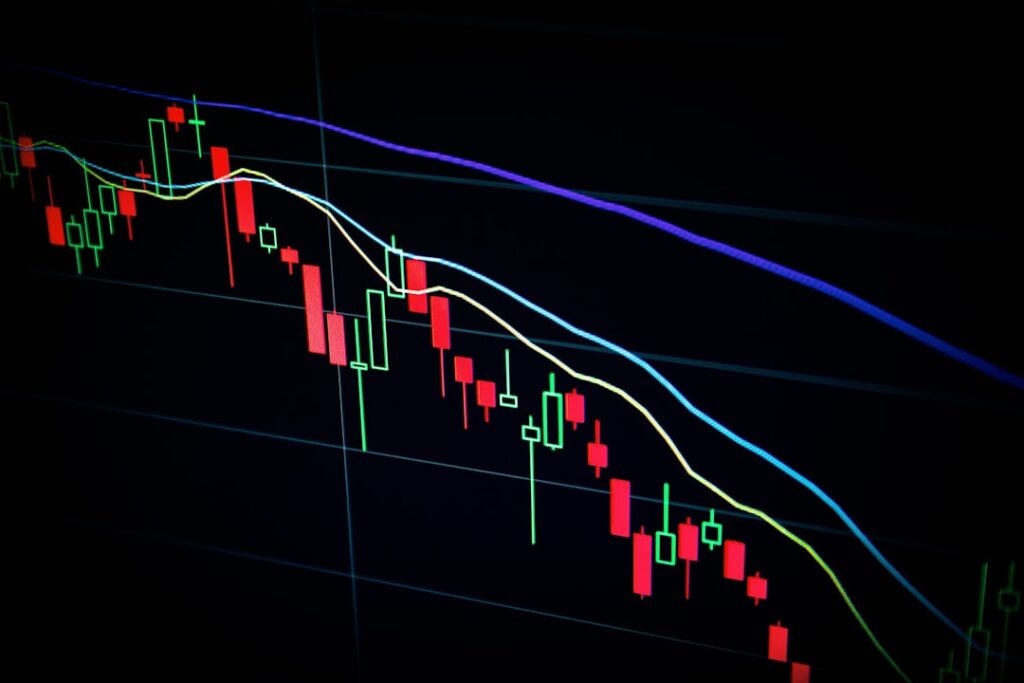
Between 2012 and 2013, the two principal offenders orchestrated a scheme to manipulate the share prices of three listed companies, controlling a large network of trading accounts to create a false appearance of active trading and to inflate prices. In October 2013 the counters collapsed, and a very large amount of market value was lost (widely reported in the billions, though the precise figure is a matter of public reporting rather than a court-found sum). The charges were brought under the Securities and Futures Act (false trading and market rigging, and employing a deceptive device) and the Penal Code (cheating and conspiracy).
The sentencing approach and outcome
The courts treated general and specific deterrence as paramount, emphasising that the conduct struck at the very purpose of the securities laws — to ensure transparent, fair dealing in the market. The principal offenders were sentenced to 36 years’ and 20 years’ imprisonment respectively, and the Court of Appeal affirmed both the convictions and the sentences. See our overview of white-collar and commercial crime.
How market manipulation works
A fair market depends on prices reflecting genuine supply and demand. Manipulation subverts this by creating a false impression of activity — for example, by trading between accounts under common control to make a share look actively and independently traded, and to push its price up. When the artificial support is removed, the price can collapse, causing losses to those who bought in reliance on the false market. That is, in essence, what the securities offences in this case were about.
The criminal and civil tracks
Singapore can respond to market misconduct in two ways: through criminal prosecution, carrying imprisonment and fines, or through civil penalty proceedings brought by the regulator, which can require payment of up to a multiple of the profit gained or loss avoided. This case took the criminal route, and the exceptionally long sentences reflect both the scale of the scheme and the courts’ view that deterrence and the protection of market integrity are paramount. The affirmation of those sentences on appeal signals how seriously such conduct is treated.
How market-misconduct cases are built
Market-manipulation prosecutions are typically document-heavy and technical, reconstructing trading patterns across many accounts to show that apparent market activity was in fact controlled and coordinated. Investigators and regulators examine trading records, communications and the control of accounts to establish that a false or misleading appearance of trading was created. Because such schemes can be elaborate and run over long periods, these cases often involve very large numbers of charges and lengthy trials, as this one did.
Why the response is so severe
The severity of the sentences reflects the courts’ view that market integrity is fundamental: investors must be able to trust that prices reflect genuine supply and demand. A scheme that manufactures a false market strikes at that trust and can cause widespread losses when it collapses. The emphasis on deterrence — and the exceptionally long terms imposed on the principal offenders — signals that those who orchestrate such schemes face consequences commensurate with the harm to the market as a whole.
What it means for market participants
For anyone active in the securities market, the case is a stark illustration of how seriously manipulation is treated. Coordinated trading designed to create a false impression of activity or to move a price artificially is not a grey area — it is criminal conduct that can attract some of the longest sentences imposed for financial offences in Singapore. The decision underlines that the integrity of the market is treated as a public interest in its own right, and that those who orchestrate schemes to subvert it face consequences to match.
How market manipulation works
A fair market depends on prices reflecting genuine supply and demand. Manipulation subverts this by creating a false or misleading appearance of active, independent trading — for example, by trading between accounts under common control to make a share look actively traded and to push its price up. When the artificial support is later withdrawn, the price can collapse, causing losses to those who bought in reliance on the false market. That, in essence, is what the securities offences in this case were about.
The offences and the scale
The charges were brought under the Securities and Futures Act — false trading and market rigging, and employing a deceptive or fraudulent device — together with cheating and criminal conspiracy under the Penal Code. Between 2012 and 2013, the two principal offenders orchestrated a scheme to manipulate the share prices of three listed companies, controlling a large network of trading accounts to create a false appearance of trading and to inflate prices. When the counters collapsed in October 2013, a very large amount of market value was lost. The two principal offenders were convicted of very large numbers of charges, reflecting the scale and duration of the scheme.
The criminal and civil routes
Singapore can respond to market misconduct in two ways: through criminal prosecution, carrying imprisonment and fines, or through civil-penalty proceedings brought by the regulator, which can require payment of up to a multiple of the profit gained or loss avoided. This case took the criminal route, and the exceptionally long sentences — among the longest imposed for financial offences in Singapore — reflect both the scale of the scheme and the courts’ view that deterrence and the protection of market integrity are paramount.
The reasoning and the appeal
The courts treated general and specific deterrence as paramount, emphasising that the conduct struck at the very purpose of the securities laws — to ensure transparent, fair dealing in the market. On appeal, the court rejected the argument that the collapse was caused by external factors beyond the offenders’ control, and affirmed both the convictions and the sentences. The decision stands as a powerful statement that those who orchestrate schemes to subvert the market face consequences commensurate with the harm to the market as a whole.
Frequently asked questions
How is market manipulation pursued? It can be pursued criminally (with imprisonment and fines) or through civil penalty proceedings; this case was the criminal route.
Why were the sentences so long? Because of the scale of the scheme, the harm to market integrity, and the emphasis on deterrence.
Is a loss to investors required? The offences target the creation of a false or manipulated market; harm to market integrity is central, and investor losses aggravate the seriousness.
Is it a defence that the market fell for other reasons? The court rejected the argument that external factors caused the collapse; the focus is on the manipulation itself.
Is market manipulation only a civil matter? No — it can be prosecuted criminally, with imprisonment and fines, as well as pursued through civil penalty proceedings.
Do investors need to have lost money? The offences target the creation of a false or manipulated market; investor losses aggravate the seriousness but the manipulation itself is the wrong.
Is market manipulation only a civil matter? No — it can be prosecuted criminally, with imprisonment and fines, as well as pursued through civil-penalty proceedings.
Do investors need to have lost money? The offences target the creation of a false or manipulated market; investor losses aggravate the seriousness but the manipulation itself is the wrong.
Why were the sentences so long? Because of the scale of the scheme, the harm to market integrity, and the emphasis on deterrence.
This page is an educational summary of themes from named, publicly available Singapore judgments and statutes. It is general information, not legal advice, and reading it does not create a solicitor–client relationship. Sentencing frameworks and penalties are applied to each case’s facts and may be changed by later decisions or amendments. Speak with a qualified criminal lawyer about your own situation.